「ジパング」~ 大和心
2024年8月18日 5時半から~
ぶどうの木クリニック、佐賀市、佐賀県、日本


 Il secondo grande maestro della calligrafia coreana è il poeta Choe Chiwon (崔致遠, 최치원857 – 10° secolo), nome d’arte Haeun (海雲, 해운, Mare Nuvola). A lui si deve il nome della famosa spiaggia di Busan Haeundae a cui era molto legato. Da un padiglio
 Lo stile lìshū è predominante anche durante il periodo Koryŏ (高麗國, 고려국, 918–1392) e solo verso il 1350 si ha l’inizio dell’influenza del nuovo stile rotondeggiante del pittore e calligrafo cinese Zhao Mengfu (趙孟頫, 1254–1322). Nell’età successiva della dinastia Chosŏn (1392 – 1910) l’arte calligrafica diventa manierata e formale fino a quando Kim Jeong-hui (金正喜, 김정희, 1786 – 1856) elabora lo stile che si chiama chusa dal suo nome d'arte chusa (秋史, 추사). Grande studioso delle iscrizioni calligrafiche antiche, durante un viaggio in Cina riceve in dono una copia del trattato sull’arte calligrafica Su Zhai Biji (蘇齋筆記). Il suo stile riprende la calligrafia lìshū creando però un suo stile peculiare. I tratti dei caratteri sono pieni, marcati, asimmetrici eppure armonici, primitivi eppure attuali e moderni. Il pennello ha un tratto deciso eppure il foglio è bilanciato tra pieni e vuoti.


 Sayoko is left by her husband because she has always toyed with her shoulder’s big brown mole. In fact, he continually blamed her about that bad habit and he believes that she toys with her mole because she wants to spite him. After that, she writes a letter to him in which she apologizes and she analyses her relationship with the mole from childhood to maturity and wedding; this letter is like an inner speech, a sort of silent and painful monologue.
  Writing the letter becomes also a treatment by which she can lighten her anguish. This marital crisis belongs not only to Japanese family but also to western families. Like in other Kawabata’s novels, in this tale there is a strong female character who dominates the plot; she is an heroine actually defeated by her own feelings. The repeated and oppressive theme of the mole touch makes the reader be pressed and almost hypnotized by it; the mole becomes the symbol of all our anguishes and weaknesses. In the Japanese literature a little thing may become the main subject of writing. The mole of Sayoko is the emblem of the little and big sorrows of everyday life with its charge of unresolved regrets and hidden sincerities.
 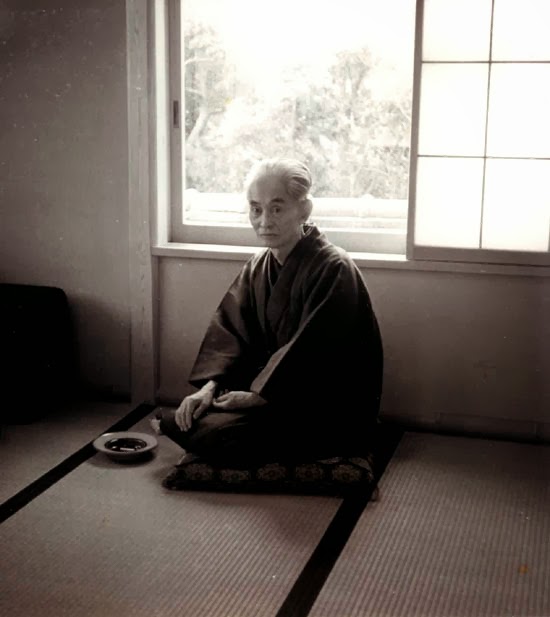 妻の小夜子は夫から愛想をつかされます。それは、小夜子が彼女の肩にある黒く大きなホクロを常にいじっていたことが原因でした。夫は、妻のこの悪癖をいつも叱責していました。そして、彼女がホクロを触るのは、自分に対するいやがらせだと思い込んでいました。
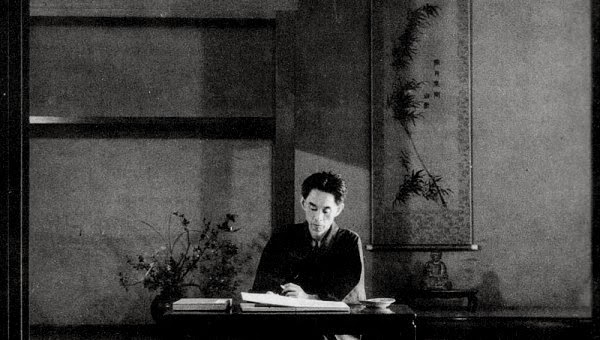 最後に遂に妻は、思いやりの欠如の上にこの結婚があることを理解し、この悲しい自覚が、彼女に夫への手紙をしたためさせるのでした。「このことをあなたにお伝えしたいものでございます」。物語は、この、観念したような言葉で終わります。夫と妻の二人ともが敗者なのでした。
 日本列島は、オホーツクプレート、アムールプレート、フィリピン海プレート、沖縄プレート、そして大平洋プレートといったいくつものプレートの長い年月に亘る動きによって、形作られてきた。また、日本の全土は環太平洋火山帯に含まれる。この広大な帯は、チリからニュージーランドにかけて大平洋をぐるりと一周するもので、おびただしい数の火山があり、巨大地震に見舞われる地域である。つまり沖縄から北海道まで、日本ではどの地域においても地震の影響から逃れることが出来ないのである。
 伝統的な建築物のなかで、パゴダ(仏教寺院の塔)は古代日本から生き残って来た最も古い建築物である。火事の犠牲にはなったものの、日出ずる国の地震による破壊からは逃れているのだ。奈良の法隆寺の有名な五重塔は、芸術面だけではなく耐震建築物としても秀作とされている。建築材料は非常に柔軟な材質のもの、木であり、非常に巧妙な組み立て方法(組み木)と絶妙な比率計算のおかげで、この建造物は地震の間、たわんで地面の揺れに上手く合わせることができるのだ。塔の第一層が地震による波打ちを徐々にやわらげ、それが建築物の上の方に上がって行くため、各層はそのすぐ下の層とは逆方向に向けて波打つのである。あるパゴダ建築家はこの動きを観察し、「スネークダンス」と呼んだそうな…(図参照)。日本の伝統的な城の土台である石垣にも、建築術の秘密がある。石どうしを接着させないで「空積み」するのである。すると、破壊されることなく地震の動きに従うのだ。であるから、廃虚となった城でも基部だけは残っているし、また上部の木で造られた部分は何世紀ものあいだに火事によって焼失したものである。ちなみに鎌倉の高徳院の大仏殿は、1498年の津波によって損壊し、その後大仏は「露座の大仏」となった。
 では音楽はどうであろうか? 1995年の地震でずたずたになった神戸の町の道の焼けた瓦礫の間で、チンドン屋の音が響いた。寒さの中で冷えきった身体の生存者たちの笑みを引き出そうと、中川敬(たかし)と彼のチンドン楽団ソウル・フラワー・モノノケ・ユニオン(ロックバンド、Soul Flower Unionによる活動) が『復興節』を奏でたのである。『復興節』とは中国古曲のメロディーに載せて、1923年の地震のあとの東京で唄われていたものであった。見分けがつかなくなった町の道でも、地震に息を吹き込まれた音楽は仲間や慰めを与えていた。日本の歴史は、変わること無く永遠に、地震と交錯する。まさに仏教の説く「空」や「無」のように、地震は我々に、我々が根底からもろくはかないこと、そして頼り無き存在であることを思い出させる。だがそれでもなお日本人は、感性と畏怖の念をもって、地震を芸術的創造の機会にすることさえできたのである。

 さて東洋においてはお化け=幽霊は、今はもうこの世にいない者たちを生前息づかせていた情念の、 化身である。人が死を迎える時、その情念が、目に見える幽霊の姿になって現世(うつしよ)に留まるのである。安らかに永眠する気になど全くなれない東洋の幽霊たちは、彼らがこの世で不当に扱われたことへの恨みつらみに駆り立てられ、復讐を全うしようとする(これを怨霊という)。 幽霊は、恋人に裏切られた、もしくは殺された情人、恋人を愛しすぎて死んでしまった情人である場合が非常に多い。
 日本人は、たとえ無神論者、不可知論者と言われる人々でさえも、幽霊の存在を信じている。彼らの住む町が世界最高峰のテクノロジーシティーになった今もな尚、幽霊を信じている。
 In
Far East ghosts are personifications of not yet living passions. When human
beings die, their passions continue to live and they can be seen as ghosts. In
Far East ghosts don’t want to rest in peace, they are animated by grudge and
revenge. They are called onryō (怨霊).
In
Far East ghosts are personifications of not yet living passions. When human
beings die, their passions continue to live and they can be seen as ghosts. In
Far East ghosts don’t want to rest in peace, they are animated by grudge and
revenge. They are called onryō (怨霊). Nowadays young people during hot-humid Japanese summer still like to do a test of courage called kimodameshi (肝試し, "test of liver") that consists in going alone by night in scary places, especially cemeteries.


