Showing posts with label Photography. Show all posts


無常

日本における無常観 ~ 時間と写真


2026年7月11日(土)午後9時怪談 日本の幽霊と怪異の物語 

2026年7月18日(土)午後9時 昭和ノスタルジア 20世紀日本をめぐる写真の旅 

2026年7月25日(土)午後9時 写真家 日本写真界を担う若き写真家たち 

フロリアーノ・テッラーノ 主催 会場: MABIC図書館屋外スペース (ネルソン・マンデラ広場) 〒41053 マラネッロ ヴィットリオ・ヴェネト通り5番地 ※雨天の場合はMABIC館内の会議室で開催します。

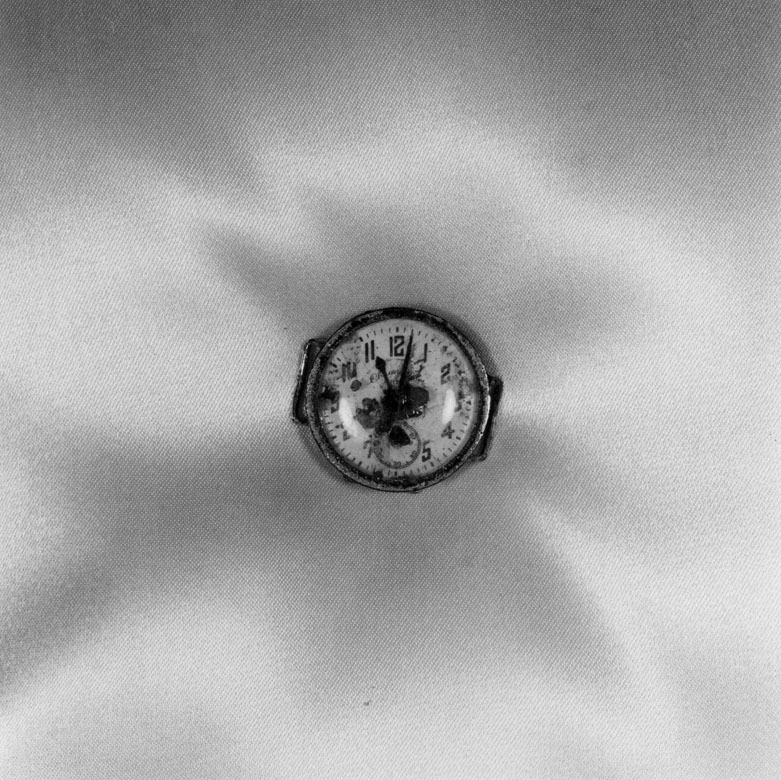
「無常」とは、仏教とともに日本へ伝わった哲学的な概念です。私たちの人生だけでなく、動物や植物、さらには無生物に至るまで、この世界のすべては絶えず変化し続けています。何ものも、生と死、そして再生の循環から逃れることはできません。 また、自然界の移ろいやはかなさに対する感覚は、仏教伝来以前から神道にも見られました。美しく豊かな自然に恵まれる一方で、地震、津波、台風などの自然災害と共に生きてきた日本では、無常という考え方はとりわけ身近なものとして受け継がれてきました。 本講座「無常日本における無常観 ~ 時間と写真」では、幽霊譚、時間、そして写真という三つの視点から、日本文化に息づく無常の世界を探ります。 近年、日本は世界的な観光ブームによって大きな注目を集めています。しかし、その魅力は観光地だけにとどまりません。本シリーズでは、三回の夏の夕べを通じて、日本文化の奥深さや、その中に潜む不思議さと美しさを参加者の皆さまと共に味わいます。


Mujō  ~ 無常
Impermanence

Japanese Perspectives on Impermanence: 
Time and Photography


Saturday, July 11, 2026 – 9:00 PM

Kaidan ~ 
Ghost Stories

Tales of Japanese Spirits and Supernatural Beings


Saturday, July 18, 2026 – 9:00 PM

Shōwa Nostalgia

A Photographic Journey Through Twentieth-Century Japan


Saturday, July 25, 2026 – 9:00 PM

Contemporary Japanese Photographers

The Young Artists Shaping Japan’s Photographic Scene


Presented by Floriano Terrano


Venue:

MABIC Library – Outdoor Area

(Piazza Nelson Mandela)

Via Vittorio Veneto 5

41053 Maranello, Italy


In case of rain, the events will be held in the MABIC conference room.

The concept of impermanence (mujō) was introduced to Japan through Buddhism and has profoundly shaped the country’s cultural outlook. Not only human lives, but animals, plants, and even inanimate objects are subject to constant change. Nothing can escape the eternal cycle of birth, death, and renewal.
At the same time, an awareness of the fleeting beauty and transience of nature was already present in Shinto traditions long before the arrival of Buddhism. Living amid both the blessings and the hardships of nature—from earthquakes and tsunamis to typhoons—the Japanese people have developed a particularly intimate relationship with the idea of impermanence.
This lecture series explores the world of mujō through three fascinating lenses: ghost stories, time, and photography, revealing how the awareness of change and transience continues to resonate throughout Japanese culture.
In recent years, Japan has attracted worldwide attention through an unprecedented tourism boom. Yet its true appeal extends far beyond its famous destinations. Over the course of three summer evenings, participants are invited to discover the depth of Japanese culture and to experience the mystery, beauty, and imagination that lie beneath its surface.


「故郷」日本の田舎旅

企画者 フロリアーノ テッラーノ

2023年5月ー9月 マラネッロのマビック図書館

• 5月20(土) 17時30分 マビック図書館内 里山 日本の自然が織りなす芸術的の風景

• 6月16日(金) 21時 マビック図書館野外 温泉 

• 7月21日(金) 21時 マビック図書館野外 日本酒と日本茶

• 9月16日(土) 17時30分 日本の祭り

今年は、企画最終日のイベントとしてマビックでの講演会に加えて、マラネッロのBLOW UP写真サークルが監修した、自然に特化した写真展が開催されます。また声楽家の江副友美による日本歌曲を中心とした、ミニコンサートも開催されます。


お問い合わせ先

MABIC - Maranello Biblioteca Cultura Via Vittorio Veneto, 5, 41053 

cultura@comune.maranello.mo.it

0536240020

www.comune.maranello.it

www.higashishinbun.blogspot.com


Furusato 故郷 – “Hometown”.  A journey to rural Japan
 
by Floriano Terrano
 
Mabic New Town library, Maranello, 20th May – 16th September 2023
 
• May 20 (Sat) h 5.30 pm Mabic New Town Library. Satoyama Japanese landscape in nature and art.
• June 16th (Fri) h 9 pm Outside of Mabic New Town Library. Onsen Japanese hot springs.
• July 21st (Fri) h 9 pm Outside of Mabic New Town Library. Nihonshu to cha sake and Japanese Tea.
• September 16th (Sat) h 5.30 pm Mabic New Town Library. Matsuri Japanese festivals.
 
A photo exhibition, supervised by Maranello's BLOW UP photo club, will be held at the end together with a mini-concert featuring Japanese songs by Japanese soprano Tomomi Ezoe (江副友美).
 
Information:
MABIC - Maranello Biblioteca Cultura Via Vittorio Veneto, 5, 41053
phone 0536240020


後援:在ミラノ総領事館


Kaimami 垣間見 
~薄明かりの中で日本文化を見る~

フロリアーノ・テッラーノ監修

MABIC (Maranello)2017年9月23日– 11月18日


「君が代 ~ 日本の伝統と変化」の2016年のイベントの後で、マラネッロで日本の文化の新しいイベントでございます。題名は「Kaimami 垣間見 ~薄明かりの中で日本文化を見る~」で、2017年9月23日から11月18日まで。キュレーターはフロリアーノ・テッラーノで、場所はMabicです、磯崎新の2011年の建築作品。Mabicの建築様式は現の形と材料と日本建築の伝統的なスタイル結合します。
平安時代の貴族は蔀戸か連子窓から垣間見る習慣がありました、そして外から中に貴族の男は貴族の女を垣間見て、感嘆して、愛に落ちました。「Kaimami 垣間見 ~薄明かりの中で日本文化を見る~」は日本の文化についての五の会議のサイクルです、日本の文化のあんまり知られていない特徴を垣間見るように。但しあの特徴は日本の日常生活の特徴です。会議の時に視聴覚資料が見せるつもりです。

これは会議の暦 

  • 日時:9月23日(土曜日)18時 「五街道」 
  • 日時:10月7日(土曜日)18時 「温泉」 
  • 日時:10月28日(土曜日)18時 「幽霊」 
  • 日時:11月4日(土曜日)18時 「写真」 
  • 日時:11月18日(土曜日)18時 「祭り」 後に町田仙陽さんの茶の湯 。そしてその後は、お酒と緑茶でお楽しみください。
入場無料


『Kaimami 垣間見 ~薄明かりの中で日本文化を見る~』のキュレーターFloriano Terranoフロリアーノ ・テッラーノ) 東アジア諸国や特に日本についての文化や芸術また社会についてなど、幅広い分野で記事を書く。それらの記事はイタリアの新聞や雑誌また海外向けの月刊誌などに記載されている。様々な視点からみた東アジア諸国の文化や社会についての講演会をイタリア各地で行っている。日本人の芸術家の展覧会のキュレーターと主催者もしている。記事や活動等は彼のブログ www.higashishinbun.blogspot.com にてご覧いただけます。

町田陽子
群馬県高崎市に生まれる。
1992年より大日本茶道学会 高崎支部長(現群馬県茶道会会長)鈴木猶仙に師事する。
2001年に茶道教授資格を取得。町田仙陽宗秀の茶名を拝受する。
また同時期に装道礼法着物学園に通い、その5年後、着付けの教授資格を取得する。
2012年よりイタリアのヴェネツィアへ移住し、茶道教室を始め今に至る。


※ インフォメーションと予約

Mabic, tel. 0536240028, e-mail: biblio.maranello@comune.maranello.mo.it

Facebook: https://www.facebook.com/Kaimami-%E5%9E%A3%E9%96%93%E8%A6%8B-Visioni-sul-Giappone-in-penombra-1455736164521948/


Yamato Nadeshiko
.
The image of woman in Japan
between the real and ideal

A while ago in Japan there was this way of saying: hana wa sakuragi, hito wa bushi (花は桜木人は武士, "cherry blossom among flowers, samurai among men"). Therefore ideal man was samurai. However,nowadays samurai do not exist anymore. What about ideal woman, then? Japanese woman was Yamato Nadeshiko (大和撫子, “Japanese Dianthus superbus”), a very delicate and snow-white flower with silk-like petals. As this flower which grows even on the mountains, woman should be delicate yet powerful, beautiful yet humble, faithful and wise. She should be Good Wife, Wise Mother (良妻賢母, ryōsai-kenbo) according to the words of philosopher Nakamura Masanao (中村 正直, 1832 - 1891). Is this dream woman still alive in Japan nowadays?
They say Japan is a male chauvinist country. It's quite so if we look at Japan from the outside. Nevertheless if we look inside we will discover a different reality that is woman has been the heart of Japanese culture and she is like that still now. Japanese woman has influenced religion, literature and art of Japan with her delicate and fascinating figure. Female beauty is well described by main Japanese writers up to novelists of twentieth century. Some of female main characters of modern Japanese literature are Kyoko of The inn of "hina" dolls (雛の宿, 1953) by Mishima Yukio - mysterious and evanescent as an hinamatsuri doll - the woman who "lends" her one arm to a man all through the night as an idol worship in One Arm (片腕, 1933) by Kawabata Yasunari, the disquieting and desperate woman of Sand woman (砂の女, 1962) by Abe Kōbō.
Anyway women portrayed in passages of the books by Tanizaki Jun'ichirō represent the most profound image of unattainable and disquieting mystery of female soul. Sadistic Fumiko of Fumiko's feet (富美子の足, 1919), whimsical and seductive Naomi of A Fool's Love (痴人の愛, 1924), the mother figure of Longing for Mother (母を恋ふる記, 1919) who is charming as a luring nocturnal fox. All Tanizaki women are beautiful and thinly cruel to their lover. They are downright megami (女神), Shinto goddess to be worshiped.
Many ukiyo-e artists depicted bijinga (美人畫), pictures of ideal beauties who were often women of brothels of Yoshiwara quarter in Edo. Kitagawa Utamaro is perhaps the artist who pursued more than others the ideal of female beauty. In his well-known woodblock print Beauty in front of mirror in close-up we can see the neck hairline (項, unaji) which is one of women's most attractive body parts. Kimono wraps the female body up and it uncovers nape and feet only. Bijinga themes are continued nowadays by photographer Hoshino Komaro (星野 小麿) who gets inspired by geisha and their body parts in his works like Ukiyo-e Kuzushi (浮世絵くずし, 1984).
Geisha generally make up nape in a W shape. Nape should be “similar to the shape of the moon” and “smooth as a pearl” according to Bijo sanjūnisō (美女三十二相, “The 32 Distinguishing Marks of Beautiful Woman”) by Hasegawa Settei (1819 – 1882), a printed work which depicts the 32 characteristics of ideal female body. Thirty-three is the same number of Lakkhaṇa (三十二相, sanjūnisō), the physical characteristics of the Buddha. Therefore female beauty is compared to divinity.
The idea of female beauty as divine essence underlies Tanizaki's works. In the novel Diary of a Mad Old Man (瘋癲老人日記, 1961-62) old Tokusuke is so attracted to his daughter-in-law Satsuko as to wish to have her footprints carved on his gravestone as the sacred footprints of the Buddha (仏足石, bussokuseki) in Yakushiji Temple at Nara. There are many fine passages in Tanizaki's books about female feet beauty. For example in The Floating Bridge of Dreams (夢浮橋, 1959) goldfishes come closer to woman's feet nearly to kiss them.
According to Bijo sanjūnisō ideal foot shoud have “the back like a snow heap” i. e. small and snow-white. Kuki Shūzō too in his book The Structure of "Iki" (「いき」の構造, 1930) affirms that nape and feet are the main body parts of female beauty since these parts only shine trough kimono. The most elegant and mysterious beauty is the hidden or veiled one and not the bare and exposed one according to aesthetic principle of iki (粋, translatable “style, purity, essence”). This is the classic seduction of Japanese woman. That's why geisha used to make up nape and to be barefoot even in hard winter. Their feet should show the same bright whiteness and delicacy as the snow stomped by their geta sandals. That’s also why female dancers of Nihon Buyō (日本舞踊) – Japanese most ancient dance which has been invented by Shinto goddess Ame-no-Uzume-no-Mikoto (天宇受売命, 天鈿女命) as the Kojiki tells us – dance barefoot without tabi socks and beat rhythm with bare feet.
Whiteness of skin is considered the main characteristic of female beauty since the Heian period (794 - 1185). Japanese women used many substances to get the ideal snow-white skin (色白, irojiro). The most important cosmetics were a rice flour-based white face powder and uguisu no fun (うぐいすの粉, “Japanese Bush Warbler feces”) that is a peculiar material made of guano of Japanese nightingale uguisu which was used as make-up remover too. Light-skinned face clashes in a beautiful way with flaming red lipstick on lips and above all whiteness clashes with black-coloured teeth (お歯黒, ohaguro, "black teeth") which were fashionable among married women since Heian period or perhaps before it until Meiji period (1868 – 1912). Ohaguro was made from tannic powder of gallnuts and kanemizu (かねみず) obtained by fermenting iron filings in an acidic mixture of tea, vinegar and rice wine. Ohaguro made open mouth more charming since it seemed more profound and dark. Nowadays ohaguro almost disappeared in Japan though it still lingers in some parts of South China and of Southeast Asia.
Anyway ideal woman is always far removed from reality, she is an unattainable abstraction. Nowadays as Japanese man lost his proud and brave samurai soul, Japanese woman is not Yamato Nadeshiko anymore. Her typical white colour gave place to other colours up to the recent desecrating fashion of ganguro (顔黒, “Black Face”) who make their skin tanned and their hair blonde or orange. Ganguro girls would like to show their deep detachment from tradition and from the past with black skin colour.
Faded are now the days of pure beauty and of flower woman. Nevertheless there is still a silent and mysterious charm in Japanese womanhood. Something that Japanese young women hide under western style clothing and exaggerated make-up. There is still the "spell of a woman" as the title of the song Onna no Jūmon (女の呪文) by singer Kaji Meiko (梶 芽衣子). She played as actress in many yakuza movies produced by Toei (東映株式会社) in the 1970s. In these films she plays the impenetrable character of a forceful and tremendous woman though tender-hearted. As tradition can't die out, nadeshiko flower of Yamato is still alive with its petals just a bit withered away.


Floriano Terrano


大和撫子
日本女性の理想と現実


「花は桜木、人は武士」(花と言えば桜、人と言えば武士)と言われるように、かつては、理想的な日本人と言えば武士(侍)であった。しかし侍はもういない。それでは日本女性はどうか。日本女性と言えば、絹のような花弁を持つ繊細で純白な花・大和撫子であった。山間部でもしっかりと根を下ろして育つ大和撫子のように、日本女性は強く美しく、同時に謙虚で貞節、賢くあるべきであった。つまり、哲学者・中村正直の言葉を借りると、「良妻賢母」である。では、この日本女性像は今の日本でも見られるのだろうか?
日本は男性社会だと言われている。日本を外から見れば確かにそう思うかもしれない。しかし内側に入っていくと、外から見るのとはまた違う現実があることに気付く。日本文化の中心にいたのは常に女性であったし、今でもそうだ。繊細で魅力的な日本女性こそが、日本の宗教や文学、芸術に影響を与えてきたのだ。 文豪の作品から20世紀の小説家の作品まで、日本文学では女性の美しさが繰り返し描かれてきた。現代文学で描かれている代表的な女性としては、三島由紀夫作『雛の宿』(1953年)に出てくる、どこか雛人形のように神秘的で儚い女性や、川端康成作『片腕』(1933年)に出てくる、自分の片腕を崇拝する男に一夜だけ片腕を「貸し与える」女性、更には安部公房作『砂の女』(1962年)の、打ちひしがれながらも他人を不安にさせる寡婦などが挙げられる。
一方、谷崎潤一郎が描いてきたのは、どこか他人を不安にさせるような神秘性を持った女性で、それは辿り着くことができない女性の心の奥底を象徴する存在でもある。『富美子の足』(1919年)のサディスティックな富美子や、『痴人の愛』(1942年)の気まぐれで、人を誘惑する直美、『母を恋ふる記』(1919年)に出てくる、人の心を奪うという夜の狐のような魅惑的な母親などがそうである。谷崎の作品に登場するあらゆる女性は、美しいが自分の愛人に対してひどく残酷である。彼女らはまさしく崇拝の対象である女神なのだ。
また、多くの浮世絵の絵師たちが「美人畫」を描いてきた。美人画には理想的な女性が描かれており、そのモデルとなったのは江戸の遊郭吉原の女であることが多い。浮世絵師の中でも特に、理想的な女性像を追求したのが喜多川歌麿であった。歌麿の『鏡美人』に描かれている女性は、着物で身体全体を覆いながらも首すじ(項)と足を顕わに人目にさらしている。これは、女性の身体のうち最も魅力的だと見なされていた項を強調するためである。 写真家である星野小麿は、この美人画のテーマを現代に引き継ぎ、芸者の身体から着想を得た『浮世絵くずし』のような作品を生み出している。かつて芸者は逆さ富士の形に項を描いていた。長谷川雪堤の『美女三十二相』に見られる「月のような」「真珠のように滑らかな」項である。『美女三十二相』は特徴的な女性の身体を描いた三十二枚の美人画であるが、この32という数字は、仏陀(悟りを得る人)に成り得る人の人体的特徴を32にまとめた「仏の三十二相」と同数である。女性美が人智を超えた仏の特徴に準えられているのだ。
『瘋癲老人日記』(1961-62年)で、谷崎は女性美を神のように崇めている。主人公の督助は、息子の嫁・颯子の性的な魅力に惹かれるあまり、自分の墓にまるで奈良の薬師寺の仏足石のように颯子の足型を刻み込もうとする。このように谷崎の作品では、女性の足首の美しさが強調されている。例えば『夢浮橋』(1959年)では、金魚が女性の足首にキスをするように纏わりついてくる。ここで描かれている足首は、『美女三十二相』が言う「降り積もった雪のようになめらかな曲線」を持つ、小柄で純粋無垢な、いわば理想的な足首である。
『「いき」の構造』で九鬼周造は、着物で覆われず剥き出しになる項と足首こそが女性の身体で最も重要だと明言している。この「いき」の美学的規範によると、最も洗練され最も神秘的な美とは、隠された美、何かで覆われた美であり、剥き出しで見ることのできる美ではないという。これは日本女性の伝統的な魅力でもある。だから芸者は項に白粉を塗り、寒さの厳しい冬でも素足でいるのだ。芸者の足は、彼女らが下駄で踏む雪のように、白く輝き繊細であった。そしてまた、日本最古の踊りである日本舞踊―『古事記』によると天のうずめの命(天宇受売命、 天鈿女命)の踊りから派生したとされている―の踊り手たちは、足袋も履かずに素足で踊り、裸足でリズムをとっている。
平安時代(794-1185)以降、肌の白さは女性の美にとって最も重要だと見なされていた。日本女性は、理想的な純白さ(色白)を得るために様々なものを用いてきた。最も有名なのは、米粉から作る白粉や、鶯の鳥糞から作り化粧にも使われた、うぐいすの粉である。顔の白さは、紅を塗った唇の赤さと、そして何よりもお歯黒を付けた葉の黒さと絶妙なコントラストになっている。お歯黒は明治時代(1868-1912)まで残っていた既婚女性の間の風習で、開いた口をより深く黒く、魅力的に見せるものであった。今や日本では誰もしなくなったが、中国や南アジア、東南アジアの一部の地域では現在でもお歯黒の風習が残っている。
しかし実際は、理想の女性像は常に現実から遠い存在であり、到達できない幻想でもあった。現代の日本男性が誇り高く勇敢なサムライの魂を失ったように、日本女性はもはや大和撫子ではないのかもしれない。日本女性を象徴していた色白も、最近流行りの日焼けの色やや金髪、ガングロのオレンジ染みた色など、他の色に取って代わられている。ガングロ女性は肌を黒くすることで、日本の伝統と過去に別れを告げているのかもしれない。
今や、純粋な美しさと花のような女性の時代からは遠ざかってしまった。しかし日本女性が持つ女性らしさは、神秘的で物静かな魅力を今でも秘めている。日本の若い女性は、西洋の服装と大げさな化粧の下に、何かを隠し持っているのだ。今でも「魔法のような女性の魅力」というものがある。梶芽衣子の歌う『女の呪文』などは、タイトルからまさにそうである。梶芽衣子は1970年代の東映ヤクザ映画によく出演していたが、そこでは、強く残酷ではあるが、慈しみ溢れる心を持った女性を演じていた。
伝統が死に絶えないように、大和の国の花・撫子は、花弁がちょっと萎れてはいるものの今でも生き続けているのだ。


(Images 3 and 7 copyright by Hoshino Komaro
www.komarohoshino.nichigei-s.com)
(Onna no Jūmon by Kaji Meiko www.youtube.com/watch?v=zjJjKUlLVa4&feature=related)

フロリアーノ・テッラーノ


On the occasion of


Like the flow of the river

Photographic journey through history
and the ordinary of Shōwa Japan (1926-1989)


Emperor Hirohito ascends the throne in 1926: Shōwa period begins and lasts up to his death in 1989. The "period of enlightened peace" is a very long time of splendour and misery, of war and peace, of wealth and poverty, from which nowadays Japan derives. Photography is an account of history and the ordinary of Shōwa Japan. Both photography by great masters, by reporters and by anonymous hands of which we will never know names.
Photography portrays emperor Hirohito during different moments and it follows the excruciating changes of society as a truth mirror: the portrait in full solemn Heian period dress (794 -1185) in throne ascending day, the decorous pose as loser by victorious MacArthur's side in their first meeting day in 1945, the last pictures which let show the melancholy of final days.
The entire Shōwa Japan parades in front of photographers' lenses: the post-war years, American invasion, break up of believes of whole nation, irreversible change of society, recovery and richness. News photographers who pick people as subjects like Tanuma Takeyoshi (田沼 武能) and Hayashi Tadahiko (林 忠彦) or photographers who follow the way of fine art photography - apparently divorced from reality but everyday life-soaked - like Tōmatsu Shōmei (東松 照明) and Moriyama Daidō (森山 大道).
Reality and imagination join indissolubly together in the life of writer Mishima Yukio, symbol of the contrast between Japan's wish for tradition and its inescapable need for modernity. Photographs which portray Mishima after his death can be confused with those before: in a picture of 1966 he is portrayed as Saint Sebastian martyr - an aesthetic subject that he holds dear – by Shinoyama Kishin (篠山 紀信).
A symbolic place marks the flow of time in the rushing course of decades: Nihonbashi bridge in Tokyo. It is the heart of Japan and of capital city and it is the point from which all the main arterial streets start. Photographs show its life between destruction and revival of Tokyo in history up to 1960s when an expressway built just over the Japan Bridge obscured the celebrated view of Mount Fuji.
All these photographs bring the life of Shōwa Japan back to our eyes regardless of their subjects. They bring back the life made of instants of a time which flowed away like the flow of the river as the title of the most famous song by Queen of Shōwa Misora Hibari.

Floriano Terrano


川の流れのように

写真で旅する昭和(1926-1989)の歴史と日常


926年、裕仁が天皇になると改元され昭和時代が始まり裕仁死去の1989年までの62年間、昭和時代が続いた。昭和は歴史上でも最も長く続いた時代でありそれは、輝きと悲哀、戦争と平和、富と貧困の時代であった。この時から現在の日本が生まれた。写真にはこの時代の歴史や日々の日常生活が映し出されており有名な写真家が撮影した写真、報道写真家が撮影した写真、そして一般の人が撮影した写真の全てから昭和を見ることが出来る。
昭和天皇の写真は数多く残されており、これらの写真から日本社会がどのように変化していったかを鏡の様に真実を映し出している。よって昭和天皇の写真には多くのバリエーションがあり、天皇に即位した日に撮られた写真は平安時代(794-1185)の服装で荘厳に満ちた肖像である。1945年、敗戦国の国家元首となった時にアメリカの最高司令官であったマッカーサーとの初会談の写真。そして後半の写真は昭和天皇が御歳をめされたものでその表情はとても悲哀に満ちているようだ。
戦後の日本、アメリカ人の侵入、日本国民の自信の廃退、社会の後退できない変化、経済と富の回復、これらの昭和の日本を写真家達はレンズを通して写した。田沼武能や林忠彦といった写真家達は主に日常の生活をする人々を対象に撮っていた。また東松照明や森山大道といったように芸術性に富んだ写真を撮る写真家もいた。彼らの写真は現実離れしている様だが実は生活や社会と強く繋がっている。
作家、故・三島由紀夫の生涯は現実であり不実であった。三島は昭和と共に歩み日本の敗戦を機に近代化への変化を余儀なくされた時代に対立し孤立した作家である。三島の写真には例えば自決事件を起こす4年前の1966年、三島自身が聖セバスティアンに扮し写真家の篠山紀信撮影による「聖セバスティアンの殉教」の様に彼の生と死の姿が混同してしまう。
東京の日本橋は日本のそして東京の中心に位置しており、ここから主要な道が築かれている。写真には1960年代までの破壊と再生の間で生きてきた東京の日本橋を見ることが出来る。日本橋の上に高架道路が建設された時、今までの素晴らしい富士山の景色は隠れてしまった。これら全ての写真からは川の流れのように流れ行った昭和時代、また昭和の歌姫である美空ひばりの最も有名な曲『川の流れのように』は私たちを昭和の時代へ連れ戻してくれる。


フロリアーノ・テッラーノ


On the occasion of

Shomei Tomatsu
SKIN OF THE NATION


Shashin monogatari

One hundred years
of photography in Japan


Although photography was discovered in Europe, in China, in Korea and in Japan printing on paper was well-acquainted from II century AD and it contributed to photography introdution and evolution in Far East. Especially in Japan, where ukiyoe prints were very common above all in the first decades of XIXth, photographic technique was completely understood by Japanese artistic style. The first Japanese photos had the same subjects of ukiyoe prints. The first albumen prints were watercoloured therefore in the beginning photography in Japan was an hybrid art between painting and printing.
Japanese photography formally began in 1857 when Ichiki Shirō (1828–1903) made a calotype of his clan chief Shimazu Nariakira. Before, in 1843, when Japan was still isolated from the rest of the world, Ueno Shunnojo-Tsunetari (1790-1851) made an attempt to introduce daguerreotype into Japan. He required it to Dutch merchants but the daguerreotype was wrongly shipped back from Nagasaki bay. In 1848 Ueno Shunnojo-Tsunetari eventually received the daguerreotype, but it was damaged and not working. After the end of sakoku, the isolation of Japan during Edo-Tokugawa period (1603-1868), lots of Western voyagers began to go to Japan and among them there were some photographers as well. The British photographer Felice Beato (1833 or 1834 - c. 1907) arrived in Japan in 1863 and opened a commercial photography studio in Yokohama, Japan’s most important port and cosmopolitan city.
The first photography studios set up by Japanese photographers originated under Beato’s influence. The first Japanese photography studio was established in 1862
in Nagasaki by Ueno Hikoma (1838 – 1904), the son of Shunnojo-Tsunetari. Uchida Kuichi (1844 – 1875), owner of a photography studio in Yokohama, was the first to take a picture of Emperor and Empress Meiji in 1872 and 1873. Yokohama Shashin, “photography of Yokohama”, began. From then on Japanese photography “watched” all Japan’s events: westernization, militarization, Second World War and atomic bombings of Hiroshima and Nagasaki, the postwar period and American occupation, industrial and technological progress, the contemporary society full of obsessions and paradoxes, the live suicide of Mishima Yukio in 1970, Kobe earthquake in 1995, the sarin Tokyo subway attack in 1995.
Shashin monogatari is a journey through the most important pictures and photographers of Japan: Araki Nobuyoshi, Hoshino Komaro, Fuji Hideki and others whose names are world famous or not yet.


Viaggio nelle città fantasma

della Corea silente

Il paesaggio visto dal cuore

nella fotografia di Lee Kang So


A gennaio 2007 si è chiuso l’anno di Corée au coeur, un anno speciale di celebrazioni per i primi 120 anni dall’inizio delle relazioni diplomatiche tra Francia e Corea. Era il 4 giugno 1886 quando fu

stipulato il Trattato di amicizia di commercio e navigazione tra lo stato francese e la nazione coreana. Corée au coeur ha portato in tutta la Francia rassegne, spettacoli, conferenze e mostre dedicate alla cultura tradizionale e contemporanea di Corea (www.coreeaucoeur.org). S’inserisce tra queste manifestazioni anche la mostra fotografica Au-delà de la récurrencePaysage vu par le coeur (“Al di là della ricorrenza. Paesaggio visto dal cuore”) dell’artista Lee Kang So (이강소, hanja 李康昭) al Musée des arts asiatiques di Nice.
Le fotografie di Lee Kang So, tutte in bianco e nero, restituiscono uno sguardo sospeso sui piccoli mondi delle città rurali coreane. Città fantasma quelle delle sue fotografie: cortili in penombra, stipiti di porte schiuse, vicoli deserti. Nessun passante, nessun abitante: nella città che l’obiettivo di Lee Kang So stende su carta avvertiamo il respiro degli uomini, il movimento degli animali, il vento entrare nelle case ma lo sguardo si ferma di fronte alla mancanza di ogni rumore e di ogni presenza. Lee Kang So è pittore prima che fotografo. Nato nel 1943 a Daegu, fino dalle sue prime mostre collettive e personali si distingue per la sua capacità di fusione tra modelli tradizionali e moderne tendenze dell’arte visiva coreana.
Cosa spinge un pittore a usare la macchina fotografica al posto del pennello? Per Lee Kang So è

il bisogno di “disumanizzare” il più possibile il suo sguardo e renderlo naturale, neutro e oggettivo come quello dell’obiettivo. Ma il paesaggio della sua fotografia non è senza vita e freddo comepotrebbe essere quello visto dalla pupilla di uno scienziato. Il suo è un paesaggio visto dal cuore, le case che ritrae richiamano i paesaggi dell’anima, danno sensazioni che suggeriscono la presenza dello spirito. A riempire il silenzio degli ambienti è il contrasto tra i pieni e i vuoti, tra le finestre e le travi di legno delle case, tra gli alberi di un esterno luminoso e le pareti di un interno in penombra. Ma il contrasto, reso e mirabilmente evidenziato dalla scelta del bianco e nero, è ricucito nella piena e totale appartenenza e penetrazione tra uomo e natura. Le case che Lee Kang So ci mostra sono una parte stessa della natura e gli alberi che si vedono dalla finestra sono la continuazione dell’edificio all’esterno, quasi se tra le colonne dei cortili delle case e i tronchi degli alberi non ci fosse nessuna differenza. E’ questa la caratteristica che fa di Lee Kang So uno dei più importanti interpreti contemporanei del verbo della tradizione artistica coreana: come nella ceramica e nell’architettura, nella pittura come nella statuaria, l’arte di Corea ha saputo conservare l’unione tra il prodotto umano e il modello della natura. Nessuna differenza tra uomo e natura, nessun contrasto se non visivo tra ambiente naturale e ambiente umano, entrambi partecipi del mistero del silenzio e del rumore, della luce e dell’ombra, del prima e del dopo. Solo la pellicola può fermare il movimento dei frammenti davanti ai nostri occhi dandoci una visione sospesa e simbolica: è la fotografia il mezzo necessario per il messaggio di Lee Kang So.
Un messaggio di cui l’Estremo Oriente è stato portatore fino a quando, affascinato dall’esotismo occidentale, ha iniziato a cambiare i suoi modelli e a leggere nel diverso la chiave del futuro. Un futuro che però è senza vita senza la tradizione del passato.

(Images courtesy of Musée des Artes Asiatiques Nicewww.arts-asiatiques.com and Christophe Choi Seoul)

Floriano Terrano